
Running a chemical plant is tough. You need reliable pumps, but your energy bills keep climbing. This inefficiency costs you money and hurts your sustainability goals.
High-efficiency IE4 and IE5 motors are key to cutting energy costs in chemical pumping. They reduce your plant's operational expenses and carbon footprint. The secret is matching the motor's durability features, like special coatings and seals, to your specific pumping application for long-term savings.
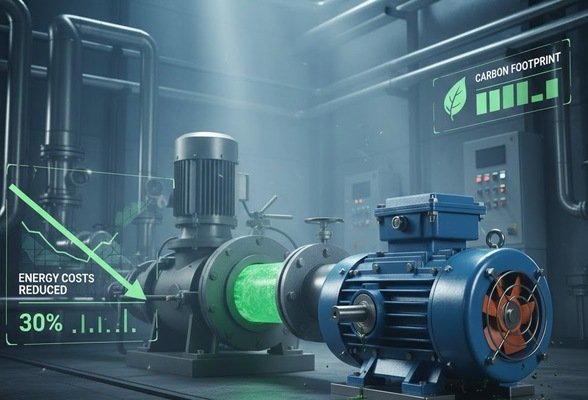
I've seen it all in my 35 years in the motor business. A new, efficient motor can seem like a simple fix for high energy bills. But in a chemical plant, the environment is your biggest enemy. You can't just install any motor and expect it to last. The real challenge is getting that top-tier efficiency without sacrificing the rugged reliability you absolutely need. So, how do you get the best of both worlds?
How can you balance IE4/IE5 efficiency gains with material compatibility and reliability in corrosive fluid transfer applications?
You want the incredible energy savings of an IE5 motor. But the pumps are moving aggressive chemicals day in and day out. The wrong motor will corrode and fail, causing costly downtime and serious safety risks.
The key is selecting a motor built for harsh duty. This means choosing specific corrosion-resistant housing materials, advanced protective coatings, and superior IP-rated seals. This approach protects your investment and ensures the motor survives long enough to deliver its efficiency gains.
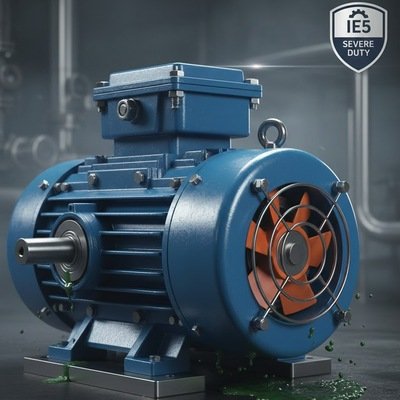
When we design a motor solution for a chemical application, we don't just look at the power rating. We look at the entire environment. It's a lesson I learned early on: a motor is only as good as its weakest component. In a chemical plant, corrosion will find that weak spot. That's why we have to think defensively and build the motor from the outside in, starting with materials.
Material Selection is Your First Line of Defense
The motor housing is the first barrier. Standard cast iron is fine for many applications, but it won't last long against certain acidic or alkaline vapors. For those situations, we often recommend stainless steel housings. They cost more upfront, but they prevent catastrophic failure down the line. The motor shaft is another critical point. Using a material like 316 stainless steel can be essential if there's any chance of exposure to the pumped fluid.
Sealing and Protection Ratings (IP Ratings)
Next, we have to protect the motor's guts. This is where Ingress Protection (IP) ratings come in. An IP55 rating is a common standard, but in areas with heavy washdowns or fine corrosive dust, we push for IP66. This ensures the enclosure is completely protected. We also use specialized bearing seals, like V-rings and labyrinth seals, to keep contaminants out of the most sensitive parts of the motor.
The Hidden Cost of Incompatibility
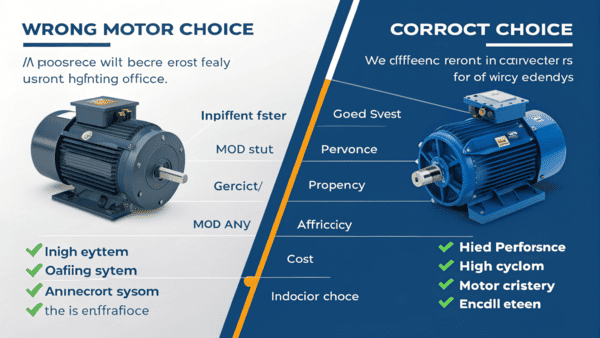
Choosing the wrong motor is a costly mistake. I've seen customers try to save a little money on a standard motor, only to replace it a few months later after it failed. The lost production and maintenance costs were ten times the initial "savings." True efficiency comes from a motor that runs reliably for years. The table below gives a simple breakdown of how we approach this.
| Chemical Environment | Recommended Housing | Coating/Treatment | Minimum IP Rating |
|---|---|---|---|
| Mild Solvents / Vapors | Standard Cast Iron | Two-part Epoxy Paint | IP55 |
| Acidic Fumes | Cast Iron or Stainless | Acid-Resistant Coating | IP56 |
| Caustic/Alkaline Areas | Stainless Steel | None (inherently resistant) | IP66 |
| High-Humidity / Saline | Standard Cast Iron | Marine-grade Coating | IP56 |
This is the kind of detailed, customized approach we've perfected over decades. We build motors that don't just save energy but also withstand the toughest conditions your plant can throw at them.
Conclusion
Choosing the right motor for chemical pumping is more than an energy-saving move. It is a critical investment in long-term reliability, safety, and operational stability for your plant.